

How to Stop Edge Breakage Without Guesswork
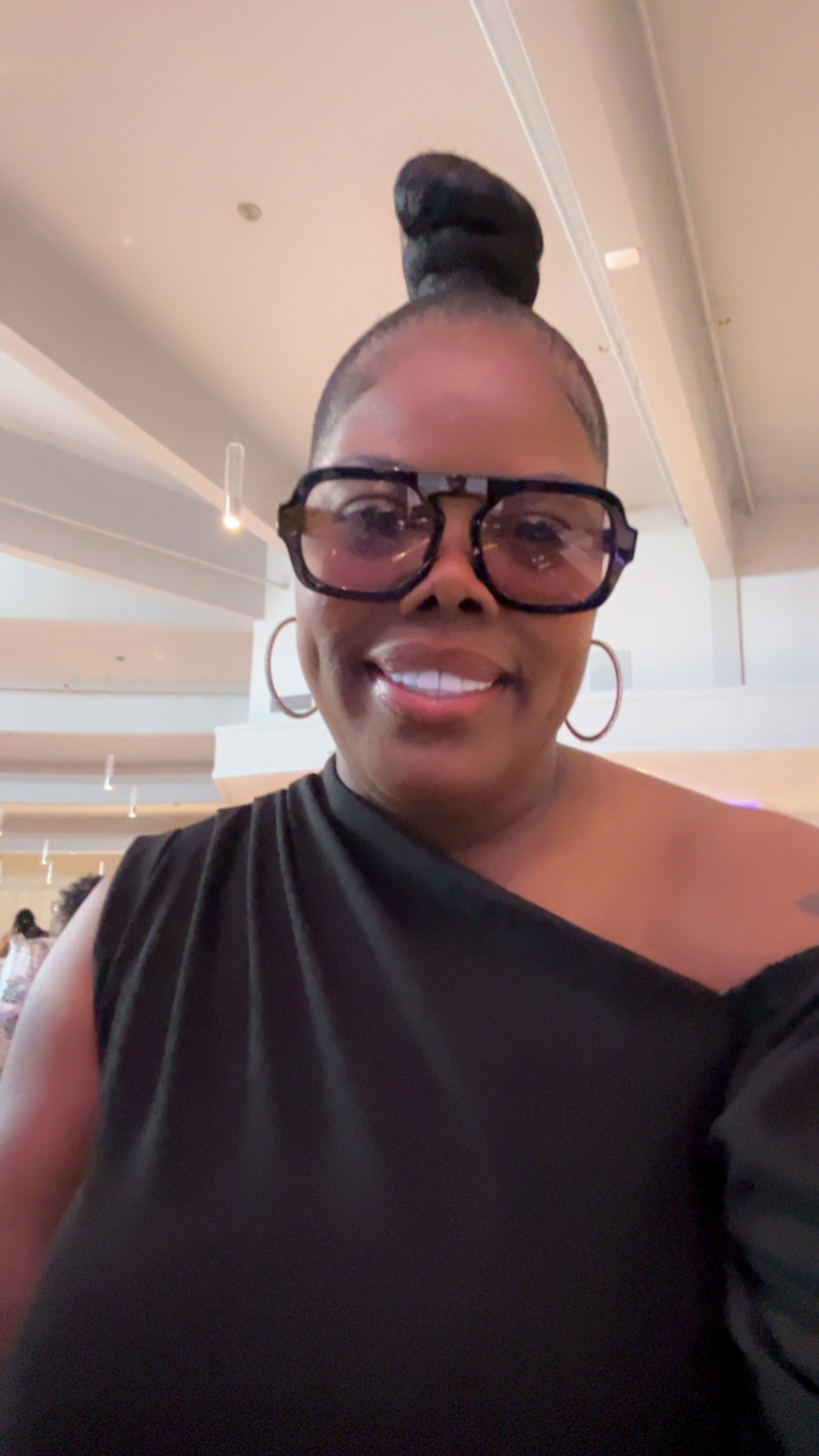
Your edges are often the first place to show that your hair routine is asking too much. A thinning hairline, short broken pieces around the temples, tenderness after styling, or a scalp that feels tight are not concerns to cover with more product. They are signals. Learning how to stop edge breakage starts with recognizing that fragile hairline strands need a different level of protection, scalp support, and consistency than the rest of your hair.
For women with textured hair, edge breakage can feel especially frustrating because it affects the styles you feel confident wearing. The good news is that edges can improve when the underlying source of damage is identified early and addressed with a realistic restoration plan.
Why Edge Breakage Happens
The hair around your hairline is naturally finer and more vulnerable to repeated stress. It also sits in an area that is regularly pulled, brushed, molded, glued, flattened, and exposed to friction. When that stress happens day after day, even a polished style can gradually compromise density.
Tension is one of the most common causes. Tight braids, ponytails, slick buns, sew-ins, wigs, and extensions can all create traction at the temples and nape. The issue is not always the style itself. It is the combination of tension, weight, frequency, and how long the style stays in place. If your scalp feels sore, raised, itchy, or overly tight after an appointment, the style is already giving you useful information.
Heat and chemical processing can also leave edges less resilient. Frequent pressing, curling, relaxers, color services, and aggressive blow-drying may weaken strands that are already finer than the hair at the crown. Add dry weather, product buildup, poor detangling habits, or nightly friction from cotton pillowcases, and breakage can become a repeating cycle.
There is another possibility worth taking seriously: not every thinning edge is simple breakage. Hormonal changes, inflammation, nutritional concerns, certain medications, stress-related shedding, and forms of alopecia can affect the hairline. That is why a close scalp assessment matters. A treatment plan is only as effective as the diagnosis behind it.
How to Stop Edge Breakage at the Source
The first step is to remove the daily pressure. This may mean choosing a lower-tension style, loosening your ponytail, reducing the number of days you wear a sleek bun, or taking a break from edge control-heavy looks. It can be difficult to change a signature style, especially when it feels polished and convenient. But protecting your edges often requires a short-term adjustment for a longer-term result.
Be honest about what your hairline feels like after styling. A style should not hurt. Tenderness is not a normal part of looking put together, and it is not something to push through. Ask for less tension around the perimeter, avoid adding excess hair weight to fragile areas, and give your hairline recovery time between protective styles.
At home, handle the perimeter with a lighter touch than the rest of your hair. Avoid repeatedly brushing the same area into place, especially when hair is dry. Use a gentle brush only when needed, and do not rely on heavy gels to force thinning strands into a shape they can no longer comfortably hold. A clean part, softer finish, or adjusted placement can look just as refined while allowing the hairline to rest.
Treat Scalp Health as Part of Hairline Care
Healthy growth begins with a scalp environment that is clean, balanced, and free from avoidable irritation. Product buildup around the hairline can create itchiness and inflammation, while overly harsh cleansing can leave the area dry and vulnerable. The goal is not to coat the scalp with every oil or growth product available. It is to use the right treatment for your scalp's actual condition.
If your edges are breaking, pay attention to flakes, redness, burning, persistent itch, bumps, or shiny areas where hair is becoming sparse. These signs may point to more than styling damage. A scalp analysis can help distinguish between breakage, shedding, traction-related loss, and scalp conditions that need a more targeted approach.
Oil can be helpful for some clients, but it is not automatically a solution. Heavy oiling can trap buildup or worsen certain scalp concerns, particularly when it replaces proper cleansing and treatment. It depends on your hair density, scalp condition, styling routine, and the ingredients you are using. Restoration should be customized, not copied from a social media routine.
Change the Habits That Keep Edges Fragile
Hairline recovery is often decided by the small things you do consistently. Protect your edges while you sleep with a satin or silk scarf, bonnet, or pillowcase. The purpose is simple: reduce friction that can roughen and weaken delicate strands overnight.
Detangling also deserves more care. Start with conditioned, moisturized hair and work gently from the ends upward. Do not rake a fine-tooth comb through the hairline or pull at tangles near the temples. If you wear wigs, make sure adhesive, combs, clips, and bands are not pulling in the same place every day. Rotate placement when possible and remove the unit carefully rather than lifting it quickly from the hairline.
Heat should be strategic, not automatic. A well-executed silk press or blowout can be part of a healthy hair routine when the hair is properly prepared and the temperature is controlled. The concern is repeated high heat on already compromised edges without moisture, protection, or recovery time. If your hairline is currently fragile, speak up before your service so your stylist can adjust the process.
Nutrition and overall wellness matter, too, particularly when shedding is sudden or widespread. Hair is not separate from the rest of the body. If you notice fatigue, significant shedding, changes in your cycle, unexplained weight changes, or thinning beyond the edges, consult an appropriate medical professional. A salon restoration plan can support healthy hair practices, but medical causes deserve medical attention.
Give Your Edges a Realistic Recovery Timeline
Edges do not transform overnight, even with excellent care. Hair grows in cycles, and the visible improvement you want depends on whether follicles are still active, how much tension has been removed, and whether scalp inflammation is under control. Many clients first notice less shedding and fewer broken hairs before they see meaningful fullness.
Take clear photos of your hairline in the same lighting every four to six weeks. This gives you a more honest view of progress than checking the mirror every morning. It also helps reveal whether your routine is working or whether the thinning is continuing despite your efforts.
Consistency matters more than constantly switching products. Give a thoughtful routine time to work, but do not ignore worsening symptoms. If your edges are receding, the scalp is painful, or you see smooth patches with little to no regrowth, seek professional guidance promptly. Early intervention can make a significant difference.
When Personalized Restoration Is the Better Next Step
If you have already tried oils, vitamins, protective styles, and viral edge-growth routines without progress, the missing piece may be assessment. A specialist can evaluate your scalp, identify the stressors in your current styling routine, and build a plan around your hair's condition rather than a one-size-fits-all promise.
At BCSxHaircare, scalp restoration is approached as more than a cosmetic concern. Your service plan can address the relationship between scalp health, breakage patterns, styling choices, and realistic growth goals while still honoring the luxury finish you want. This is not just hair health. This is restoration.
Your edges do not need harsher products or tighter control. They need relief from repeated stress, informed care, and enough time to respond. Start with one change that gives your hairline room to recover, then let consistent, personalized care do the work.


Comments