

Hair Shedding After Menopause Guide for Women
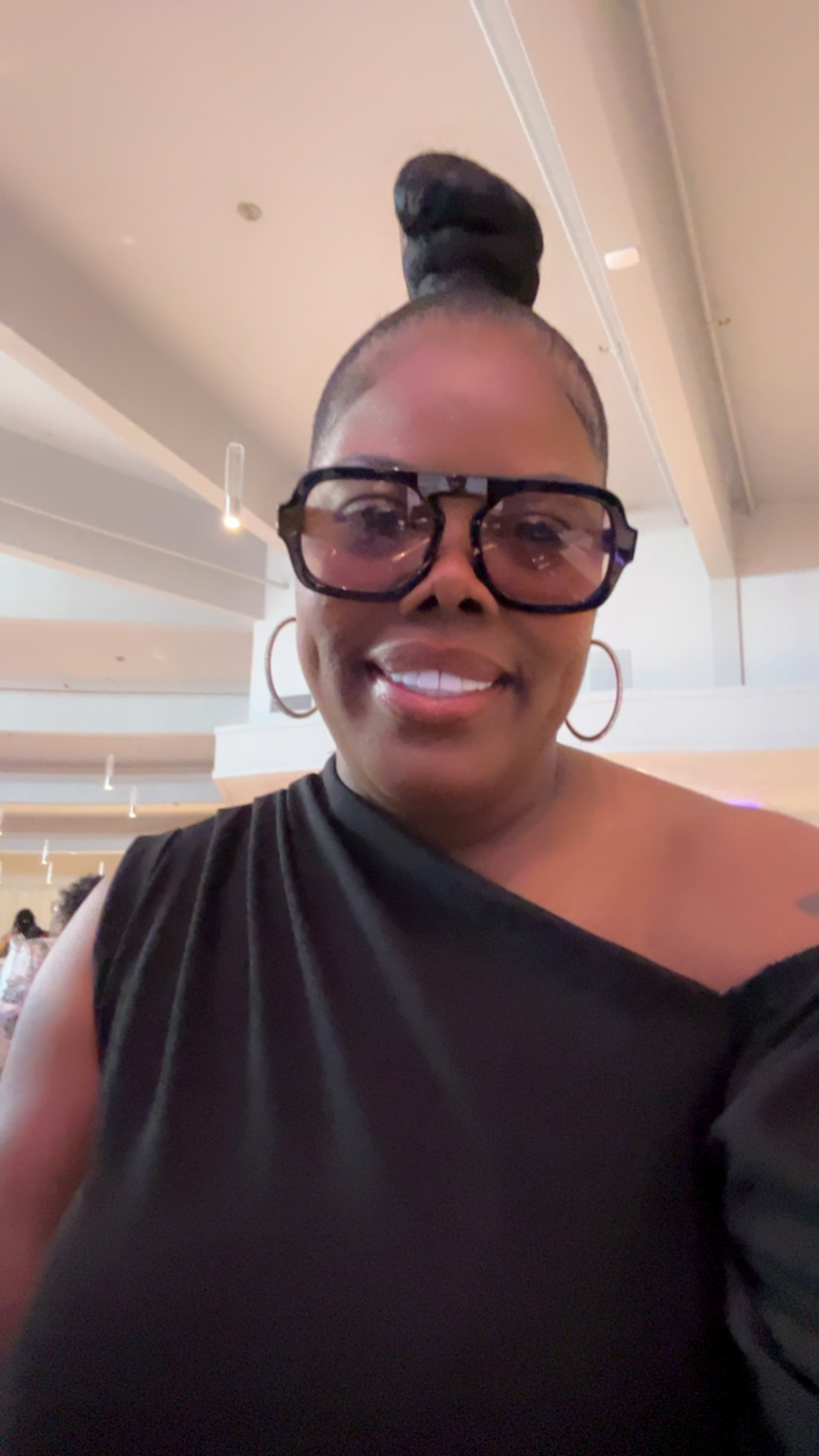
A fuller ponytail can begin to feel noticeably smaller long before you see obvious bald spots. More hair in the shower, on your pillowcase, or wrapped around wash-day tools can be unsettling, especially when your hair has always been a source of confidence. This hair shedding after menopause guide explains what may be changing, what deserves professional attention, and how to respond without cycling through another shelf of trial-and-error products.
Menopause-related shedding is real, but it is not one-size-fits-all. Hormonal shifts can affect the growth cycle, strand diameter, scalp comfort, and the way textured hair retains length. The right next step depends on whether you are seeing temporary shedding, progressive thinning, breakage that mimics shedding, or a scalp condition that needs medical care.
Why Hair Can Change After Menopause
Estrogen helps support the hair growth cycle. As estrogen levels decline during perimenopause and menopause, hair may spend less time in its active growth phase and more time in its resting and shedding phases. At the same time, the relative effect of androgens can become more noticeable. For some women, that means finer strands, less density at the crown or part line, and slower visible growth.
That does not mean every change is caused by hormones alone. Iron deficiency, thyroid changes, significant stress, rapid weight loss, certain medications, low protein intake, and inflammatory scalp conditions can all contribute to increased shedding. A sudden or dramatic change deserves a closer look rather than an assumption that it is simply menopause.
For women with textured hair, the concern can be layered. Tightly coiled strands are naturally more vulnerable at points of dryness and manipulation. When the hair is becoming finer or the scalp is less balanced, routine detangling, tension styles, color services, and heat can create breakage that looks very similar to hair loss. The distinction matters because breakage requires a different strategy than shedding from the follicle.
Hair Shedding After Menopause: Shedding, Thinning, or Breakage?
Start by looking at the hair you are losing. Shed hairs often have a small, pale bulb at one end. They may come out during shampooing or detangling because those steps release hairs that have already completed their cycle. Some shedding is normal, particularly if wash days are spaced apart.
Breakage is usually shorter, uneven, and bulb-free. You may notice fragments around the sink, reduced fullness through the ends, or difficulty retaining length despite seeing new growth at the scalp. Breakage often points to a mismatch between the hair's current needs and the way it is being handled, moisturized, chemically processed, or heat styled.
Thinning is different again. It is a gradual reduction in visible density. Your part may appear wider, your scalp may show more under direct light, or your edges and crown may no longer hold the same fullness. This pattern can develop quietly, which is why comparison photos taken in consistent lighting can be more useful than relying on memory.
A thorough scalp and hair assessment can identify patterns that are easy to miss at home. It evaluates density, scalp buildup, irritation, hair-shaft condition, tension history, and the areas where loss is most concentrated. That information turns a general concern into a personalized restoration plan.
Signs You Should Not Ignore
Menopause may be part of the picture, but it should not become a catch-all explanation. Seek evaluation from a dermatologist or qualified healthcare professional when shedding is sudden, severe, patchy, painful, or accompanied by scalp burning, itching, scaling, or sores. These signs can indicate conditions that require medical diagnosis and treatment.
It is also wise to ask your provider about appropriate bloodwork if shedding has increased alongside fatigue, changes in weight, cold sensitivity, or other systemic symptoms. Thyroid function, iron status, vitamin levels, and medication changes may be relevant based on your health history. A salon-based scalp assessment can support your care plan, but it does not replace medical evaluation when symptoms point beyond the hair and scalp.
Build a Restoration Plan That Respects Your Hair
The goal is not to chase a quick fix. It is to reduce unnecessary stress on vulnerable strands, create a healthier scalp environment, and track whether your plan is producing visible progress over time.
Reduce tension and repeated trauma
If your edges feel tender, your scalp feels tight after styling, or you see thinning around the hairline, take tension seriously. Consistently tight ponytails, braids, extensions, glued styles, and wigs secured too firmly can place ongoing strain on follicles. A style should look polished without causing soreness, bumps, or headaches.
Choose lower-tension options and rotate your part placement when possible. This does not mean you must give up versatility or luxury styling. It means your style plan should match your current density, scalp sensitivity, and restoration goals.
Treat the scalp as the foundation
A healthy-looking style starts at the scalp. Product buildup, excess oil, inflammation, and infrequent cleansing can interfere with comfort and make it harder to accurately assess what is happening at the root. On the other hand, harsh cleansing or excessive exfoliation can leave the scalp dry and reactive.
Your ideal cleansing schedule depends on your scalp, activity level, styling routine, and product use. Focus on consistent cleansing, thorough rinsing, and formulas chosen for your actual scalp condition, not just what is trending. If flakes, tenderness, or persistent itch continue, do not cover the issue with more oils or heavy products. Get it assessed.
Adjust heat and chemical services with intention
Silk presses, color, relaxers, and other chemical or heat services can still have a place in a thoughtful regimen. The trade-off is that finer, drier, or hormonally changing hair has less margin for repeated stress. Hair that once tolerated frequent high heat may need lower temperatures, fewer passes, stronger moisture support, and longer intervals between services.
A skilled professional should evaluate elasticity, porosity, density, and prior chemical history before recommending a service. The most beautiful result is one that protects the hair you want to keep.
Support growth with consistent nutrition and care
Hair is not an emergency priority for the body. When protein intake is low, meals are inconsistent, or a nutrient deficiency is present, hair growth can be affected. Aim for regular, balanced meals with adequate protein and discuss supplements with your healthcare provider before adding them. More supplements are not automatically better, and some can interfere with medications or create new concerns.
At home, gentle detangling, satin protection, appropriate conditioning, and less manipulation can improve length retention. These practices will not resolve every form of thinning, but they can prevent avoidable breakage while you address the larger picture.
What Real Progress Looks Like
Restoration is measured in more than a single wash day. Early progress may look like less hair collected during detangling, improved scalp comfort, fewer broken pieces, or ends that remain fuller between trims. Density changes can take longer because hair grows in cycles.
Take clear photos of your hairline, crown, and part every eight to twelve weeks using similar lighting and angles. Pay attention to how your scalp feels, how easily your hair detangles, and whether styling choices are causing tension. These details help you and your specialist make informed adjustments instead of changing everything at once.
At BCSxHaircare, restoration begins with understanding the condition beneath the style. A personalized scalp analysis and treatment pathway can help distinguish shedding from breakage, identify stress points, and create a service plan that supports both refined styling and healthier hair over time.
Your hair may be changing, but that does not mean you have to settle for uncertainty or concealment. Give the concern the same level of attention you would give any other change in your health: observe it, investigate it, and choose care that protects your confidence as well as your strands.


Comments