
Do Extensions Cause Alopecia? What to Watch For
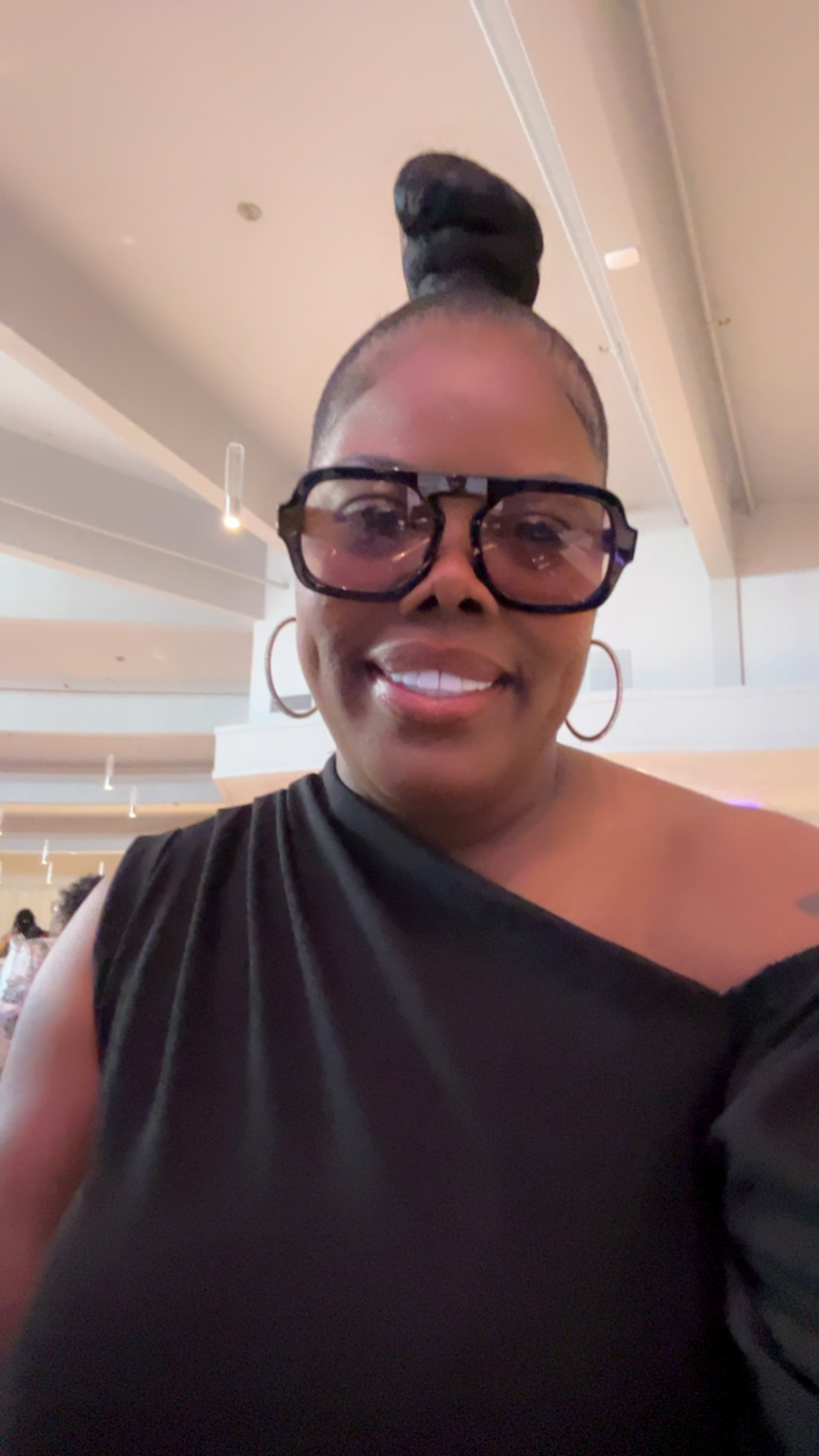
Your extensions should enhance your beauty—not compromise your edges.
If your sew-in feels too tight, your K-tip extensions cause tenderness, or your scalp develops bumps after an installation, those symptoms deserve attention.
Can hair extensions cause alopecia? Yes. Repeated pulling and excessive tension can contribute to traction alopecia, a form of hair loss that can become permanent if the stress continues.
But here's what I want women to understand: Not all extensions cause hair loss, and not every extension method is appropriate for every client.
At BCSxHaircare | BCS Wellness Studio in Durham, NC, my approach combines professional extension techniques, textured-hair expertise, and trichology-focused assessments.
Whether you're considering K-tips, tape-ins, sewn extensions, or another protective style, the health of your natural hair and scalp should always come first.
In this article, we'll discuss the warning signs of traction alopecia, how extension weight and installation techniques affect your hair, and when to seek professional evaluation.
Traction alopecia develops when consistent pulling puts stress on the hair follicle. Extensions can create that pull at the hairline, temples, crown, nape, or any area carrying more weight than the natural hair can comfortably support.
A style may look neat while quietly creating too much strain. Small braids installed very tightly, heavy bundles attached to fine strands, extension bonds placed too close to the scalp, and high-tension ponytails can all create repetitive traction. Repeated traction can damage hair follicles over time. Early traction alopecia may be reversible when the pulling stops, but prolonged tension can lead to scarring and permanent hair loss.
This is why a protective style is only protective when it protects the hair and scalp beneath it. A style that sacrifices your edges for a smooth finish is not a long-term solution.
The early signs women often dismiss
Traction alopecia rarely begins with a dramatic bald spot. It often starts with symptoms that are easy to normalize after an install: soreness, stinging, itching, tightness, small scalp bumps, or a feeling that relief comes only after taking the style down.
You may also notice short, broken hairs around the temples, a widening part, thinning at the nape, or sparse areas where your edges once felt fuller. Hairline recession is a common pattern, but traction can affect any area repeatedly placed under stress.
Pay attention to the timing. If discomfort begins immediately after your appointment, that is not a sign that your hair is “getting used to” the style. Pain is a sign that the tension needs to be reduced. A polished result should never require you to tolerate scalp pain for days.
Who Is Most at Risk?
Risk depends on more than the extension method. A woman with strong, dense hair may tolerate a style that would be far too heavy for someone managing shedding, chemical damage, postpartum changes, thyroid-related hair loss, low iron, or naturally fine strands.
Your risk may be higher if you regularly wear tight braids, sew-ins, tape-ins, fusion extensions, wigs secured with adhesive, or slicked styles between installs. Frequent heat styling, relaxers, bleaching, and aggressive detangling can further weaken the hair shaft, making it less able to handle added tension.
The installation itself matters just as much. Extensions should be matched to your density, strand size, scalp sensitivity, and lifestyle. A technique that works beautifully for one client can be the wrong choice for another. This is where personalized assessment matters more than trend-based advice.
How to Wear Extensions More Safely
You do not necessarily have to give up extensions to protect your hair. You do need to make scalp health part of the decision. Choose a stylist who evaluates your edges, density, and current breakage before selecting a method or amount of hair.
The foundation should be comfortable from the start. Braids should not be excessively small or tight, tracks should not pull at the perimeter, and the added hair should not feel heavy when you move your head. If you feel throbbing, burning, or persistent tenderness, ask for adjustments immediately. Do not wait for the discomfort to pass.
Avoid repeated high-tension installations, and reassess the condition of your hair and scalp before each new extension service. A break between styles may reduce ongoing stress, but taking breaks alone does not make a tight or heavy installation safe. If you notice thinning, tenderness, or breakage, discontinue the tension-producing style and seek appropriate evaluation.Between installations, prioritize gentle cleansing, conditioning,-manipulation styling and careful detangling.
Avoid installing extensions over active scalp irritation, visible thinning, or significant shedding without first understanding the cause. Covering the issue may make it easier to ignore, but it does not resolve what is happening underneath. In some cases, the healthiest next step is a lighter style that lets the scalp recover rather than another full install.
When Hair Loss Needs More Than a Style Change
Removing tension is essential, but not every case of thinning around the hairline is traction alopecia. Conditions such as androgenetic alopecia, alopecia areata, central centrifugal cicatricial alopecia, scalp dermatitis, and nutritional or hormonal changes can also affect growth and density. More than one issue can be present at the same time.
That distinction matters because hair loss that is inflammatory or scarring requires prompt professional evaluation. Signs that should not be ignored include shiny or smooth patches with little to no visible follicle openings, persistent burning or itching, spreading thinning, severe flaking, pustules, or hair loss that continues after extensions have been removed.
A dermatologist can diagnose medical causes of hair loss and discuss treatment options. A scalp-focused hair restoration professional can also help identify styling patterns, breakage, buildup, and scalp concerns that may be working against your progress. The earlier you seek clarity, the more options you may have for preserving healthy follicles.
A Health-First Plan for Your Edges
Restoration begins with honesty about what your hair has been carrying. If your edges are thinning, the goal is not to find a style that hides the area more effectively. The goal is to reduce the source of stress, calm the scalp, and create conditions that support stronger growth over time.
At BCSxHaircare, that means looking beyond the surface result. A personalized scalp analysis can help determine whether your concern is likely related to traction, breakage, shedding, scalp imbalance, or a combination of factors. From there, the care plan should respect both your desired look and your hair’s current capacity.
Beautiful Extensions Should Never Cost You Your Edges
Extensions can be a beautiful way to add length, fullness, and styling versatility, but they should never require you to tolerate pain, excessive tension, or ongoing scalp irritation.
At BCSxHaircare | BCS Wellness Studio, I believe extension services should begin with understanding your natural hair, scalp condition, density, and styling goals.
As a licensed cosmetologist, educator, and trichologist, I focus on helping clients make informed decisions about extension maintenance, scalp health, and breakage prevention.
If you're experiencing thinning edges, tenderness, or noticeable hair loss after wearing extensions, don't simply cover the area with another installation. Persistent or progressive hair loss warrants dermatologic evaluation.
Ready to understand what your hair and scalp need before your next extension service?
Schedule a Hair & Scalp/Trichology Consultation with BCSxHaircare.
📍 Durham, NC | Serving Raleigh and the Triangle
BCSxHaircare — Luxury Hair. Real Results. Healthy Growth.


Comments