

Best Hairstyles for Breakage Recovery That Protect
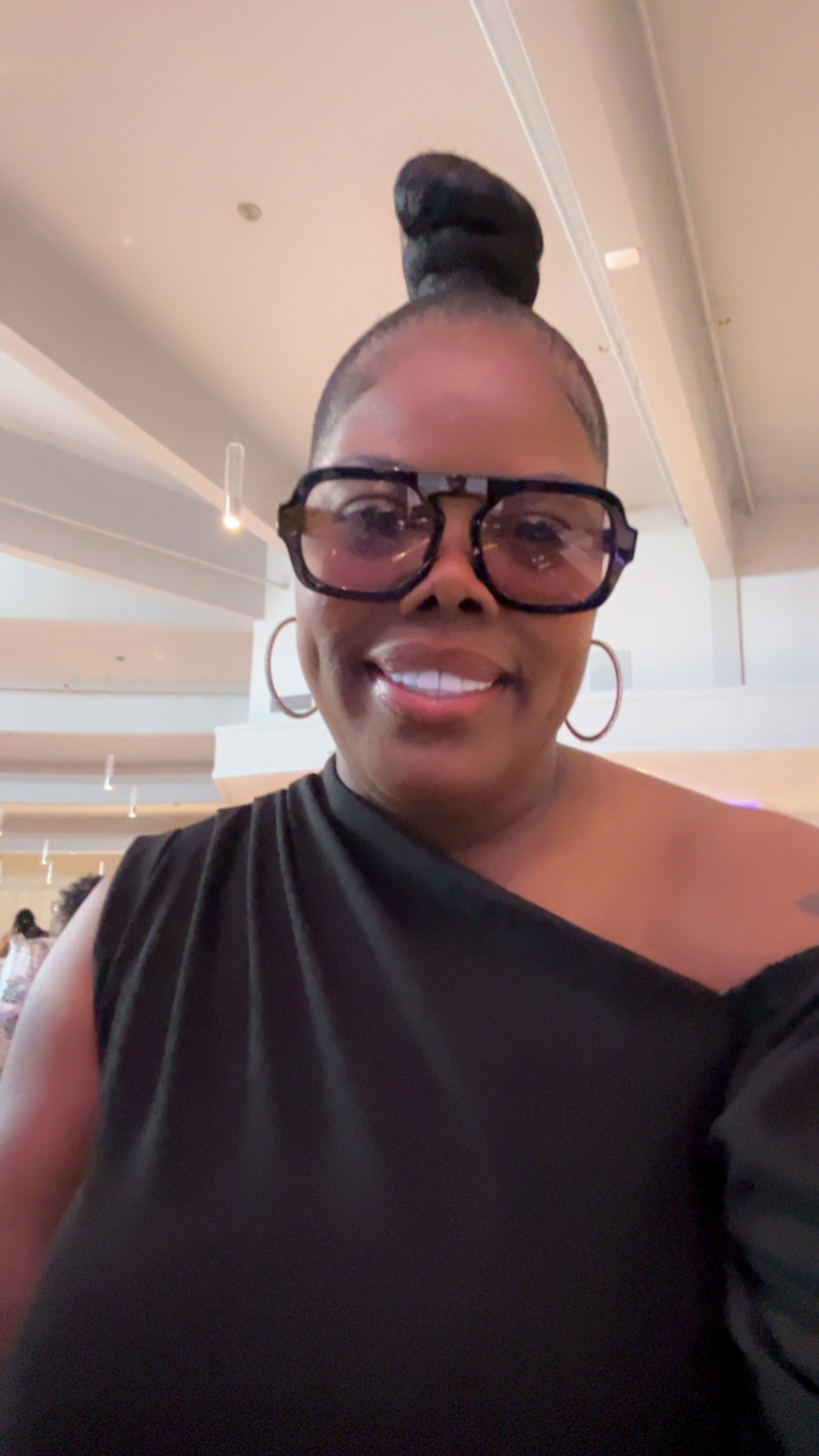
When your hair is breaking, a new style should not demand more from it. The best hairstyles for breakage recovery reduce daily manipulation, limit tension at fragile points, and make it easier to keep your scalp and strands consistently cared for. They are not simply convenient styles. Chosen well, they create the breathing room your hair needs while a restoration plan addresses what caused the breakage in the first place.
For textured hair, that distinction matters. Breakage can show up as uneven length, thinning around the hairline, short pieces throughout the crown, or ends that never seem to retain growth. Covering those signs with a high-tension style may offer a temporary cosmetic fix, but it can prolong the cycle. Recovery asks for a more intentional approach: beautiful hair that is also protected.
What makes a hairstyle supportive during breakage recovery?
A recovery-friendly style keeps force off the scalp and minimizes friction along the hair shaft. It should not pull when you smile, raise your eyebrows, turn your head, or lie down. It should also give your stylist reasonable access to cleanse the scalp and monitor areas of concern.
The right choice depends on where your breakage is occurring, your hair density, your lifestyle, and whether your hair is relaxed, natural, color-treated, transitioning, or heat-styled. A style that feels protective for someone with healthy edges may be too much for someone managing traction-related thinning. This is why personalized scalp and strand assessment is more valuable than following a trend.
During recovery, look for styles with low tension, light added weight, minimal daily combing, and easy maintenance. Avoid using a style as an excuse to postpone cleansing, conditioning, or scalp treatment. Healthy growth begins at the scalp, and a protective style should support that work rather than hide the problem.
Best hairstyles for breakage recovery
A softly shaped textured pixie
For women with significant breakage, a textured pixie can be one of the most freeing choices. It removes worn, thin ends gradually or more decisively, depending on the condition of your hair, while creating a polished shape that does not require daily pulling, stretching, or heavy extension hair.
A pixie is especially useful when the crown, nape, or perimeter has become uneven and fragile. It can be customized to create fullness where density is stronger and softness where hair needs time to recover. The trade-off is that it requires regular shaping and a willingness to embrace a shorter look. For many women, though, that commitment becomes the turning point between managing damage and building healthy hair again.
Low-manipulation silk press or signature blowout
A professionally executed silk press or blowout can work during recovery when the hair is strong enough for controlled heat and the service is approached with care. The goal is not to press the hair into submission or chase maximum sleekness. It is to create a smooth, manageable finish with appropriate heat protection, limited passes, and a maintenance plan that prevents repeated at-home flat ironing.
This option can be ideal for women who want versatility without the tension of braids, ponytails, or sewn-in extensions. A wrap at night, gentle detangling, and moisture-conscious care can help the style last while reducing manipulation. If your hair is severely compromised from heat or chemical processing, however, a temporary break from thermal styling may be the wiser choice.
Loose flat twists or medium two-strand twists
Flat twists and two-strand twists can offer protection without the strain of tightly installed braids. The key is in the installation: clean sections, minimal pulling at the root, no excessive gripping, and ends that are secured gently. Twists should feel comfortable immediately. Tenderness, bumps, headaches, or a tight shiny look at the hairline are signs that the style is too stressful.
For breakage recovery, medium-sized twists are generally more practical than tiny twists. Smaller parts can create more tension and require more time to remove, which can lead to unnecessary shedding and tangling. Keep the style in for a reasonable period, maintain scalp cleanliness, and do not layer on heavy oils and butters that create buildup.
A low, loose bun with protected ends
A low bun is simple, elegant, and often underestimated. It is a strong option for women whose lengths are vulnerable but who still need a polished, professional look. The bun should sit low at the nape or slightly above it, formed with minimal tension and secured without pulling the hairline tight.
Use a soft scrunchie, satin-covered tie, or a gentle pinning method rather than an elastic that digs into the same area every day. Change the placement occasionally so one section is not carrying all the pressure. This style works best on moisturized, detangled hair, with ends tucked away without being stretched harshly.
A glueless wig with a healthy foundation underneath
A well-fitted glueless wig can provide styling flexibility while giving fragile hair a break from daily heat and manipulation. Unlike adhesive-dependent installations, a glueless option can be removed regularly for proper cleansing, conditioning, and scalp care. That access is valuable when thinning, shedding, or scalp discomfort is part of the concern.
The foundation matters as much as the unit itself. Avoid tightly braided bases, combs that repeatedly rub the same thinning area, and straps adjusted so tightly that they leave an impression. If your edges are compromised, choose a fit that does not rely on them for security. A wig should be a style option, not a source of additional traction.
Styles to pause while your hair is fragile
Not every protective-looking style is protective for your current condition. Long, heavy knotless braids, tight ponytails, slick buns, tightly sewn installs, and small braids can all place more load on already weakened strands. The concern is not that these styles are always wrong. It is that they may be the wrong choice during an active breakage cycle, especially when installed tightly or worn for too long.
Be cautious with frequent quick weaves, adhesive products near the hairline, and styles that require daily edge control and brushing. Repeated friction and tension can turn mild thinning into a more visible concern. If you notice pain, itching, scalp bumps, increased shedding, or short broken hairs around the perimeter, remove the source of tension rather than waiting for the style to settle.
A hairstyle cannot repair the cause of breakage
A better style is part of recovery, not the entire treatment plan. Breakage may be linked to dryness, chemical overlap, frequent heat, tension, poor detangling practices, scalp inflammation, nutritional concerns, hormonal changes, or a hair-loss condition that needs medical evaluation. The pattern tells a story.
A professional assessment can identify whether the priority is trimming compromised ends, restoring moisture and protein balance, reducing inflammation, changing styling habits, or referring you for medical support. At BCSxHaircare, restoration is approached through both visible styling choices and a closer look at scalp health, density, and the habits affecting your progress.
Between appointments, keep your routine calm and consistent. Cleanse on a schedule that suits your scalp, condition thoroughly, detangle patiently in sections, protect your hair at night with satin or silk, and resist the urge to test every new product promising instant growth. Consistency is more powerful than constant switching.
Choose the style that lets your hair recover with dignity
The best recovery hairstyle is one you can wear without pain, maintain without overhandling, and remove without losing more hair. It should fit your real life while protecting the areas that need the most attention. Whether that means a refined pixie, a low-tension twist set, a carefully managed blowout, or a glueless wig, the goal remains the same: less stress on your strands and more opportunity for healthy progress.
Your hair does not need to be hidden while it heals. It needs a plan that respects its current condition and gives you confidence at every stage of restoration.


Comments