

What Is Textured Hair, Exactly?
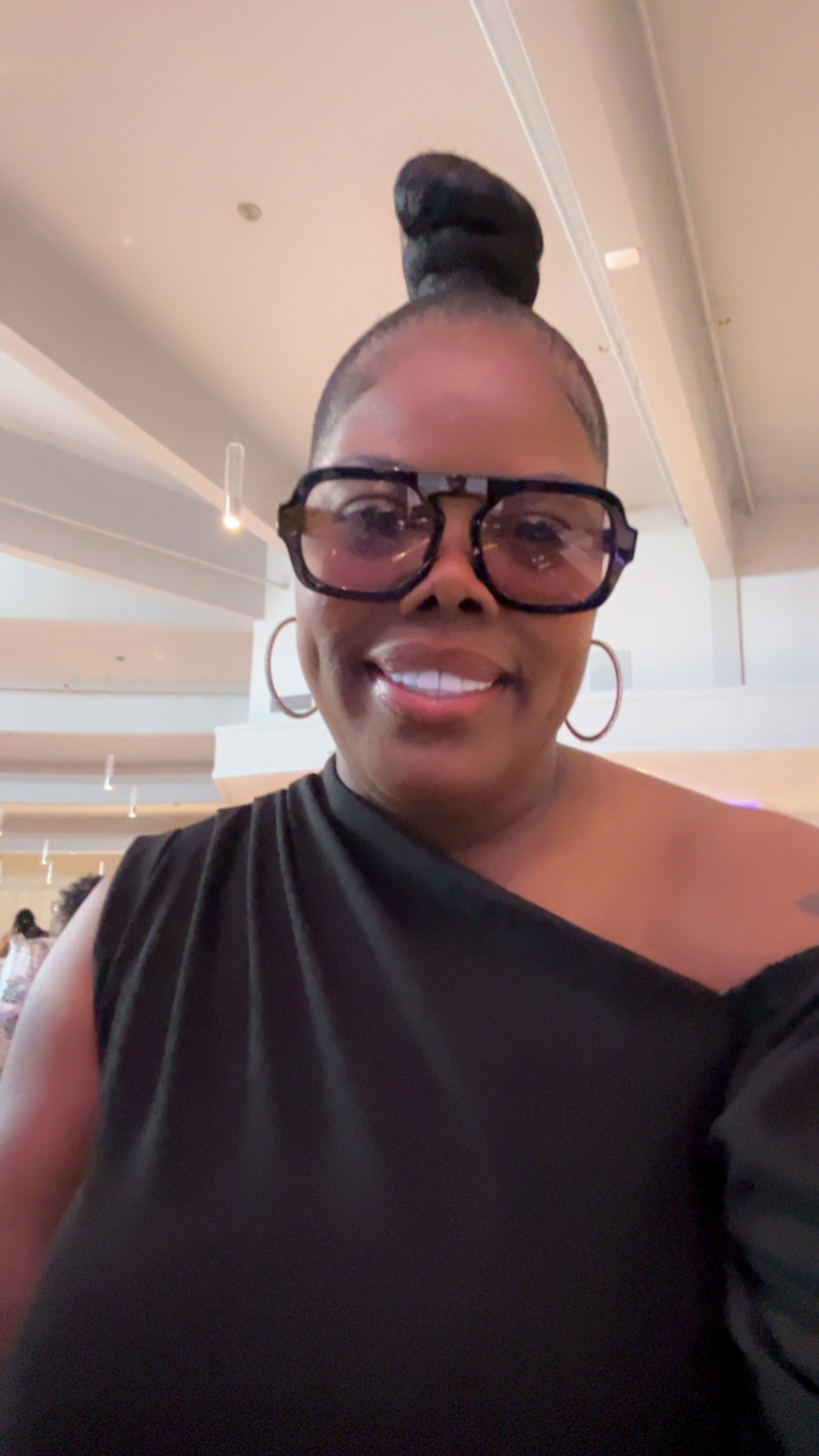
If you have ever been told your hair is “hard to manage” when it was actually dry, fragile, or misunderstood, this question matters more than it seems. What is textured hair? It is not a trend term or a vague beauty category. It refers to hair with natural bends, coils, curls, or kinks, and it comes with specific structural needs that affect moisture, strength, styling, scalp health, and long-term growth.
For many women, the issue is not simply learning what their hair type is. It is realizing that textured hair cannot be treated like straight hair and expected to thrive. The way it responds to heat, tension, product buildup, dryness, and even missed trims is different. That difference is not a flaw. It is the reason care has to be intentional.
What is textured hair?
Textured hair generally includes wavy, curly, coily, and kinky hair patterns. In practical terms, it is hair that does not grow in a completely straight formation. The strand may curve slightly, form visible curls, create tight coils, or zig-zag along the shaft. Those shapes affect everything from how oils move through the hair to how easily strands tangle or break.
This is why two women can use the same product and get very different results. A formula that works beautifully on straight or loosely waved hair may leave tighter textures dry, coated, or weak over time. Textured hair often needs more moisture support, more thoughtful detangling, and more protection from mechanical stress.
That said, textured hair is not one thing. It is a broad category with major variation. Some women have fine curls with low density. Others have dense coils with high shrinkage and a dry scalp. Some experience healthy length retention but struggle with frizz. Others deal with thinning edges, shedding, or breakage that makes growth feel stalled. The texture matters, but so does the condition of the hair and scalp.
Why textured hair behaves differently
The shape of the strand is part of the story. Natural scalp oils travel down a straight strand more easily than they do along a coily or tightly curled strand. When the hair bends and spirals, those oils have a harder time coating the full length. That is one reason textured hair often feels dry, especially at the mid-lengths and ends.
The bends in the hair also create natural points of vulnerability. The more curves a strand has, the more opportunities there are for friction, tangling, and stress. This does not mean textured hair is inherently unhealthy. It means it requires techniques and products that respect its structure.
This is also why aggressive brushing, repeated high heat, tight styling, or constant manipulation can lead to visible damage faster than many clients expect. Breakage may show up as thinning ends, reduced fullness, split strands, or shorter pieces around the hairline and crown. In some cases, what seems like “slow growth” is actually length loss from breakage.
Texture is more than curl pattern
Many people try to define textured hair only through curl charts, but that approach is limited. Curl pattern can be useful, especially when choosing styling methods, but it does not give a complete picture of what your hair needs.
Density
Density refers to how much hair you have on your scalp. Someone with dense curls may need a very different wash day strategy than someone with finer, low-density coils. Density also affects how full the hair looks and how well it tolerates heavier products.
Strand thickness
Fine textured hair can still be full, but each individual strand may be more delicate. Medium and coarse strands tend to feel stronger, though they can still become brittle when moisture balance is off. Knowing strand thickness helps explain why one client’s hair collapses under rich creams while another client’s hair needs them.
Porosity
Porosity describes how easily the hair absorbs and holds moisture. Low-porosity hair can resist water and product entry, while high-porosity hair may absorb moisture quickly and lose it just as fast. If your hair always feels dry no matter what you apply, porosity may be a bigger issue than curl type.
Scalp condition
This is the factor many people overlook. Healthy hair growth starts with scalp health. If the scalp is inflamed, congested, excessively dry, or affected by buildup, shedding and breakage can increase. Textured hair care is not only about what goes on the strands. It is also about what is happening at the root.
Common concerns with textured hair
Women with textured hair are often managing more than styling preferences. They are trying to solve recurring issues that affect confidence and progress.
Dryness is one of the most common concerns, but dryness can come from different causes. It may be related to porosity, harsh cleansers, infrequent deep conditioning, overuse of heat, or even scalp imbalance. Product alone does not always fix it.
Breakage is another major concern. Sometimes it is caused by rough detangling or repeated tension from ponytails, braids, extensions, or edge styling. Sometimes it is the result of untreated damage from relaxers, color, or heat. And sometimes breakage is confused with shedding, which points to a different issue entirely.
Thinning edges and visible hair loss deserve special attention. These are not problems to cover up and hope improve on their own. If the scalp is under chronic tension or there is an underlying condition affecting growth, time matters. Early intervention often leads to better outcomes.
What textured hair needs to stay healthy
Healthy textured hair usually responds best to consistency, not constant experimentation. The goal is not to force the hair into submission. The goal is to support moisture retention, reduce breakage, and protect the scalp environment where growth begins.
Cleansing matters because buildup can block moisture and irritate the scalp. Conditioning matters because textured hair needs slip, softness, and elasticity. Trims matter because damaged ends can split upward and weaken length retention. Heat management matters because repeated high temperatures can alter the curl pattern and compromise strand strength.
Protective styling can help, but only when it is actually protective. A style that is too tight, too heavy, or left in too long can create more damage than benefit. The same is true for silk presses, blowouts, and sleek styles. These can absolutely be part of a healthy regimen, but they need to be done with technique, timing, and an understanding of the hair’s condition.
What is textured hair care supposed to look like?
Textured hair care should be personalized. That is the difference between maintenance and real progress. A woman with scalp inflammation and shedding does not need the same plan as a woman with healthy density who wants better moisture retention. A client recovering from breakage needs a different strategy than someone maintaining a strong silk press routine.
In a results-focused setting, care starts with assessment. That means looking at the scalp, the level of breakage, the condition of the ends, the amount of density loss, and the styling habits that may be contributing to the problem. From there, the regimen should make sense for your actual hair, not just your hoped-for style.
At BCSxHaircare, that approach is central to textured hair services. Luxury matters, but so does precision. If the scalp is compromised or the hair is breaking faster than it can retain length, styling alone is not enough. Restoration has to be part of the plan.
The biggest misconception about textured hair
One of the most damaging myths is that textured hair is naturally unmanageable. In reality, textured hair is often mismanaged. It is handled without enough moisture, stretched beyond its limits, or styled in ways that ignore scalp health and strand integrity.
Another common misconception is that all textured hair should respond the same way to “natural hair” advice. It will not. One woman thrives with wash-and-go styling. Another sees immediate tangling and single-strand knots. One client does well with occasional heat. Another needs a long break from it. Good care is not about following internet rules. It is about reading what the hair and scalp are showing you.
If you are dealing with persistent dryness, breakage, thinning, or growth that never seems to hold, asking better questions is often the turning point. Textured hair is beautiful, versatile, and resilient, but it responds best when care is informed. Once you understand what your texture actually needs, healthy growth stops feeling like guesswork and starts looking like progress.


Comments