

Triangle Scalp Treatment for Thinning Hair
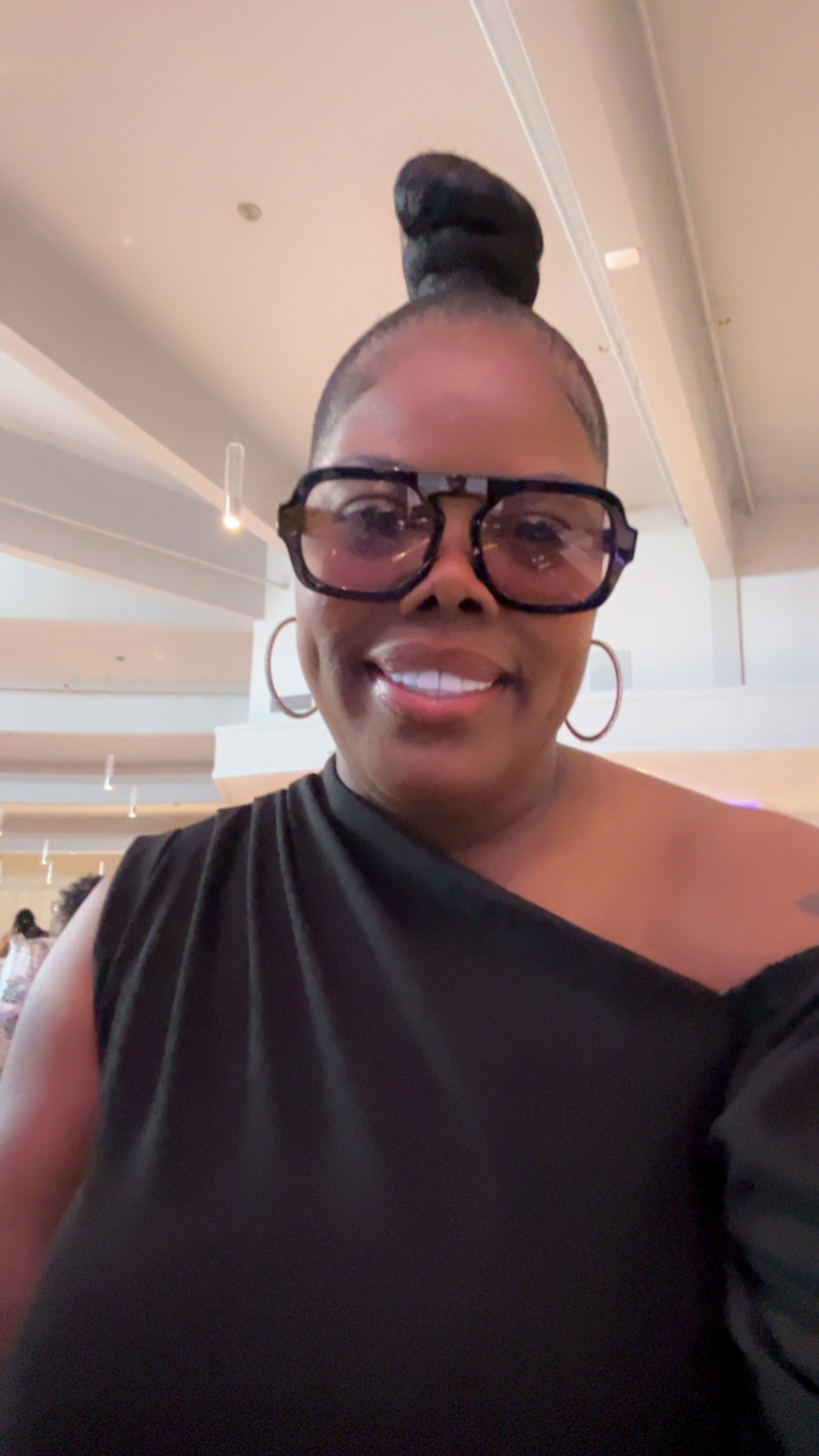
Your hair may be styled beautifully and still be asking for help. If your edges look lighter than they used to, your part is widening, or breakage keeps returning despite careful routines, a Triangle scalp treatment can shift the focus from covering the concern to understanding it. For women with textured hair, that distinction matters. Healthy-looking length begins with a scalp and regimen that can support it.
Hair concerns rarely have one simple cause. Tension, heat exposure, product buildup, inflammation, inconsistent moisture, hormonal changes, stress, and styling habits can all affect what you see in the mirror. The right treatment is not a one-size-fits-all mask or a promise of overnight growth. It is a personalized pathway built around what your scalp, strands, lifestyle, and goals actually need.
What a Triangle Scalp Treatment Should Address
A restorative scalp appointment should begin before the shampoo bowl. A detailed analysis helps identify patterns in shedding, thinning, breakage, scalp discomfort, density changes, and areas of concern. This creates a more informed starting point than guessing which oil, supplement, or viral product to try next.
For many clients, the visible issue is only part of the picture. Thinning at the temples may be connected to repeated tension from protective styles, extensions, or sleek ponytails. Breakage around the crown may point to friction, dryness, heat stress, or a mismatch between the hair's needs and the current routine. Flaking and irritation may signal buildup or sensitivity that deserves a gentler, more intentional approach.
A personalized treatment plan can include scalp cleansing and exfoliation, hydration support, strengthening care, low-tension styling recommendations, and consistent progress checks. The goal is not simply to make hair feel soft for a few days. It is to improve the conditions that support healthier retention, manageability, and visible density over time.
Why Textured Hair Needs a Different Conversation
Textured hair is versatile, beautiful, and often more vulnerable to mechanical stress when it is repeatedly stretched, manipulated, or styled under tension. A silk press, pixie cut, braid installation, color service, or sleek updo can all have a place in a healthy routine. The question is whether the frequency, technique, and aftercare are appropriate for your current hair and scalp condition.
That is why restoration should never require you to give up feeling polished. The strongest treatment plans balance scalp health with the way you want to wear your hair. If your hair is fragile, a low-manipulation option may be the best bridge while strength and moisture are rebuilt. If your scalp is congested, the immediate priority may be resetting the foundation before adding more growth-focused products.
Results also depend on consistency. A single treatment can leave the scalp refreshed and the hair more manageable, but longstanding thinning or breakage usually needs a series of appointments and a realistic home-care plan. Luxury care should feel indulgent, but it should also be intentional enough to create progress you can see and maintain.
Signs It Is Time to Book an Assessment
You do not need to wait until hair loss feels severe to seek support. An assessment is especially worthwhile when you notice several changes at once, including:
Edges that are becoming thinner, more fragile, or slower to recover
More shedding than usual during wash days or detangling
A widening part, visible scalp, or reduced fullness at the crown
Persistent itchiness, flakes, tenderness, or product buildup
Breakage that continues even after trimming and using conditioning treatments
These signs do not automatically point to one condition, and that is precisely why personalized analysis matters. A specialist can help separate normal shedding from a pattern that needs more focused intervention. When symptoms suggest a medical cause or a sudden, significant change, referral to a dermatologist or physician is an important part of responsible care.
The Difference Between a Scalp Service and Restoration
Not every scalp service is designed for restoration. A relaxing shampoo, a stimulating massage, or a clarifying treatment can be beneficial, but it may not answer why your hair is shedding or why one area is not retaining length. Restoration looks at the larger pattern: scalp condition, strand integrity, service history, styling tension, maintenance habits, and realistic growth goals.
At BCSxHaircare, this health-first approach pairs luxury one-on-one care with clinically informed scalp and hair analysis. Rather than treating your concern as an inconvenience to hide, the focus is on creating a treatment pathway that respects both your desired look and your hair's current capacity.
That may mean adjusting your routine for a season. For someone with fragile ends, it could mean fewer high-heat sessions and more structured moisture and strengthening support. For someone with thinning edges, it could mean removing tension sources, improving scalp care, and selecting styles that protect the area while it recovers. For someone dealing with buildup and poor manageability, it may start with scalp cleansing and simpler product use before adding anything else.
The trade-off is patience. Real restoration is not built on aggressive manipulation or unrealistic claims. It is built on a thoughtful plan, consistent care, and changes that give the scalp and hair a better environment in which to thrive.
What to Expect From Your Treatment Plan
Your plan should feel clear, not overwhelming. After reviewing your concerns and hair history, your provider should explain what they are seeing, what can be addressed in the salon, and what you can do between visits. You should understand the purpose of each recommendation, whether that is improving scalp cleanliness, reducing tension, managing breakage, or supporting stronger new growth.
Home care matters because your hair lives with you far longer than it sits in the salon chair. You may be advised to simplify your products, improve wash-day consistency, protect hair at night, reduce tight styles, or modify heat use. These are not punishments or generic rules. They are practical adjustments designed to protect the investment you are making in your hair health.
Progress may show up in different ways. Some clients first notice less breakage, easier detangling, reduced tenderness, or a cleaner, more balanced scalp. Others may see improved fullness gradually as their routine becomes more supportive. Photos, consistent parting patterns, and regular check-ins can help track changes that are easy to miss day to day.
Choose Care That Respects Your Hair Goals
You deserve more than a temporary style that looks good until the next wash day. If thinning, shedding, scalp discomfort, or breakage has made you second-guess your hair, begin with answers instead of another round of trial and error. A personalized Triangle scalp treatment gives you space to be heard, evaluated, and cared for with a plan that supports healthy growth without sacrificing the elevated experience you deserve.
Your next appointment can be more than maintenance. It can be the moment you stop managing the symptoms and start giving your hair the focused care it has been asking for.


Comments