
Protective Style Damage: 7 Signs You Should Not Ignore
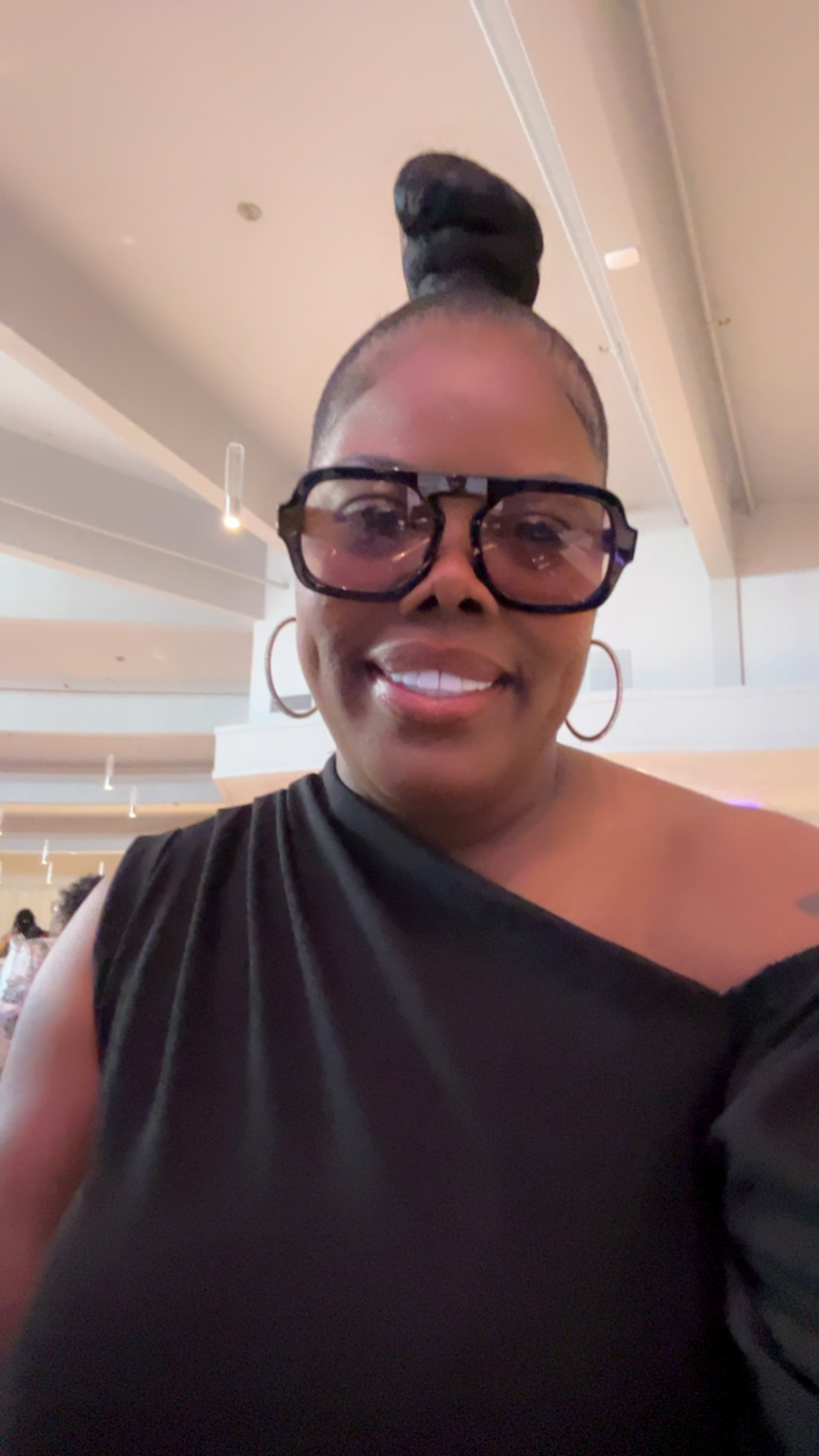

A style is not truly protective if it leaves your scalp sore, your edges thinner, or your wash day filled with broken strands. Braids, twists, loc extensions, wigs, sew-ins, and other protective styles can reduce daily manipulation and give textured hair versatility—but only when the hair and scalp remain healthy underneath.
At BCSxHaircare in Durham, NC, I work with women experiencing thinning edges, breakage, shedding, and scalp concerns that may become noticeable during or after protective styling. As a licensed cosmetologist, cosmetology educator, and trichologist, my approach is to look beyond the style itself and consider tension, installation technique, scalp condition, hair density, previous damage, and at-home maintenance.
Protective-style damage doesn't always begin with an obvious bald spot. Your hair and scalp may give you warning signs much earlier. Recognizing those signs can help you determine when it's time to remove a style, modify your routine, or seek professional evaluation.
What Does Protective Style Damage Look Like?
Damage can begin quietly.
You may notice tenderness around the hairline, bumps along the scalp, increased breakage during removal, or edges that gradually appear thinner. These changes shouldn't simply be covered with another hairstyle. Protective-style damage can affect the hair shaft, scalp, and—in some cases—the follicle. Excessive tension can repeatedly pull on vulnerable areas, particularly around the temples and nape where strands may be finer. Heavy extensions can add additional weight, while friction from lace, adhesives, thread, extension hair, or repeated manipulation may contribute to breakage.
When excessive tension continues over time, traction-related thinning can become increasingly noticeable.
The goal isn't to stop wearing protective styles. It's to recognize when a particular style, installation method, weight, or maintenance routine isn't working well for your hair.
7 Signs Your Protective Style May Be Damaging Your Hair
1. Persistent Pain or Tenderness
A new hairstyle may feel different initially, but significant or persistent pain shouldn't be considered a normal part of protective styling. If your braids, sew-in, wig installation, or extensions make it painful to sleep, cause headaches, or leave your scalp consistently sore, there may be too much tension. Pain is not proof that a style was installed well.
2. Bumps or Redness Around the Hairline
Small bumps, redness, or irritated areas around braids, parts, the temples, or nape deserve attention. These signs may occur for different reasons, including tension, irritation, product buildup, or sensitivity to products or extension materials. Persistent or worsening symptoms should not simply be covered by the style.
3. Thinning Edges or Widening Parts
Pay attention to gradual changes in your hairline. If your edges look less dense, your parts appear wider, or you notice short broken hairs around high-tension areas, your hairstyle may be placing more stress on the hair than it can comfortably tolerate. Repeated tension around the same areas can contribute to traction-related hair loss over time.
4. Increased Breakage
Protective styling should reduce unnecessary manipulation—not create additional breakage. If you're noticing short broken strands, snapping around the crown or perimeter, or significant breakage during takedown, evaluate the installation, maintenance, removal process, and overall condition of your hair. Breakage can also be influenced by dryness, friction, heat or chemical history, and mechanical stress.
5. Excessive Shedding During Takedown
Seeing shed hair when removing a long-term style isn't automatically abnormal. Hair that would normally shed during daily grooming can remain trapped within braids, twists, or extensions until the style is removed. However, shedding that seems significantly different from your normal pattern, continues after the style has been removed, or occurs along with noticeable changes in density deserves closer attention. This distinction is important because shedding and breakage are not the same thing.
6. Persistent Itching, Burning or Flaking
An itchy scalp doesn't always mean you simply need more oil. Product buildup, dryness, sweat, irritation, sensitivity to extension materials, or other scalp concerns may contribute to itching or flaking. Persistent burning, pain, significant inflammation, sores, or other worsening scalp symptoms should be evaluated rather than repeatedly covered with oils or another hairstyle.
7. Your Hair Looks or Feels Thinner After Every Style
One of the most important warning signs is a pattern.
If each takedown leaves your edges a little thinner, your density reduced, or your strands increasingly fragile, it's time to reconsider your protective-style routine.
A hairstyle shouldn't repeatedly require your hair to recover from the hairstyle itself.
Why “Low Maintenance” Can Become High Risk
Protective styles are often described as low maintenance, but low maintenance does not mean no maintenance.
Your scalp still needs appropriate care while your hair is tucked away. Sweat, oil, styling products, and environmental debris can accumulate around the scalp and roots.
How often the scalp should be cleansed depends on the individual, the style, scalp condition, lifestyle, and products being used.
How long you should keep a protective style installed also varies. There isn't one schedule that's appropriate for everyone.
A style can still look neat externally while your natural hair underneath is experiencing tangling, dryness, matting, or stress.
Removal is equally important.
Rushing through takedown, cutting too close to your natural hair, aggressively separating buildup, or attempting to detangle without adequate care can turn a protective style into unnecessary breakage.
Common Causes of Protective-Style Damage
Tension is one of the most recognizable causes, but it isn't the only consideration.
Small braids, tight parts, excessive pulling, and repeatedly styling the same areas can concentrate stress on vulnerable hair.
Weight matters too.
Long braids, heavy extension hair, and some sewn-in or extension styles may place more stress on the hair and scalp. This can be particularly important for someone already experiencing thinning, active breakage, postpartum shedding, or previous edge loss.
Moisture and scalp-care practices matter as well.
Applying oil repeatedly isn't the same as hydrating the hair, and avoiding cleansing for extended periods may lead to buildup for some clients.
Finally, moving immediately from one high-tension style into another can prevent vulnerable areas from getting an appropriate break.
Going from braids to a wig installation to another set of braids may look like continuous protection, but the hairline and scalp may still be experiencing repeated mechanical stress.
How to Protect Your Hair Before Your Next Install
Start with the condition of your hair, not simply the style you want.
If your edges are noticeably sparse, your strands are breaking, or your scalp is irritated, addressing those concerns before another extension or high-tension style may be the better choice.
Before installation, hair should be appropriately cleansed, conditioned, detangled, and assessed for vulnerable areas.
Tell your stylist about previous hair loss, thinning temples, unusual shedding, scalp sensitivity, or areas that have repeatedly broken.
And speak up during the appointment.
If the style feels excessively tight or painful, don't wait until the installation is finished. Asking for an adjustment can reduce unnecessary stress on the hair and scalp.
At home, maintain the scalp appropriately, protect the style while sleeping, and avoid creating additional tension by repeatedly pulling braids or extensions into tight ponytails and buns.
If you develop persistent pain, significant bumps, irritation, or noticeable changes in your hairline, removing the style may be more important than getting the full number of weeks you originally planned to wear it.
When Hair Restoration Should Come Before Another Protective Style
Thinning, shedding, and breakage aren't always caused by styling alone.
Changes in hair density can have multiple contributing factors, which is why repeatedly changing products or hairstyles may not provide the answers you need.
A personalized scalp and hair assessment can help document visible patterns, distinguish between shedding and breakage, review your styling history, and identify hair-care practices that may need to change.
At BCSxHaircare in Durham, NC, my approach isn't to tell clients they can never wear braids, wigs, sew-ins, or extensions again. The goal is to determine what your hair can comfortably tolerate and develop styling and care practices that better protect its integrity.
A trichology consultation does not replace medical diagnosis or treatment. Sudden or rapidly progressing hair loss, smooth or sharply defined bald patches, significant pain or inflammation, sores, scarring, or persistent unexplained hair loss should be evaluated by a dermatologist or other qualified healthcare professional.
Choose Protection That Actually Protects Your Hair
The healthiest protective style should allow you to live comfortably, maintain your scalp, and eventually remove the style without being afraid of what you'll find underneath.
If you're noticing thinning edges, breakage, excessive shedding, scalp discomfort, or changes in density after protective styling, don't simply cover the area with another style.
It may be time to take a closer look.
Schedule a personalized Hair & Scalp/Trichology Consultation with BCSxHaircare in Durham, NC to evaluate your concerns and develop appropriate next steps for your hair and scalp.
Serving clients throughout Durham, Raleigh, and the Triangle. BCSxHaircare — Luxury Hair. Real Results. Healthy Growth.


Comments