

How to Support Postpartum Hair Shedding Well
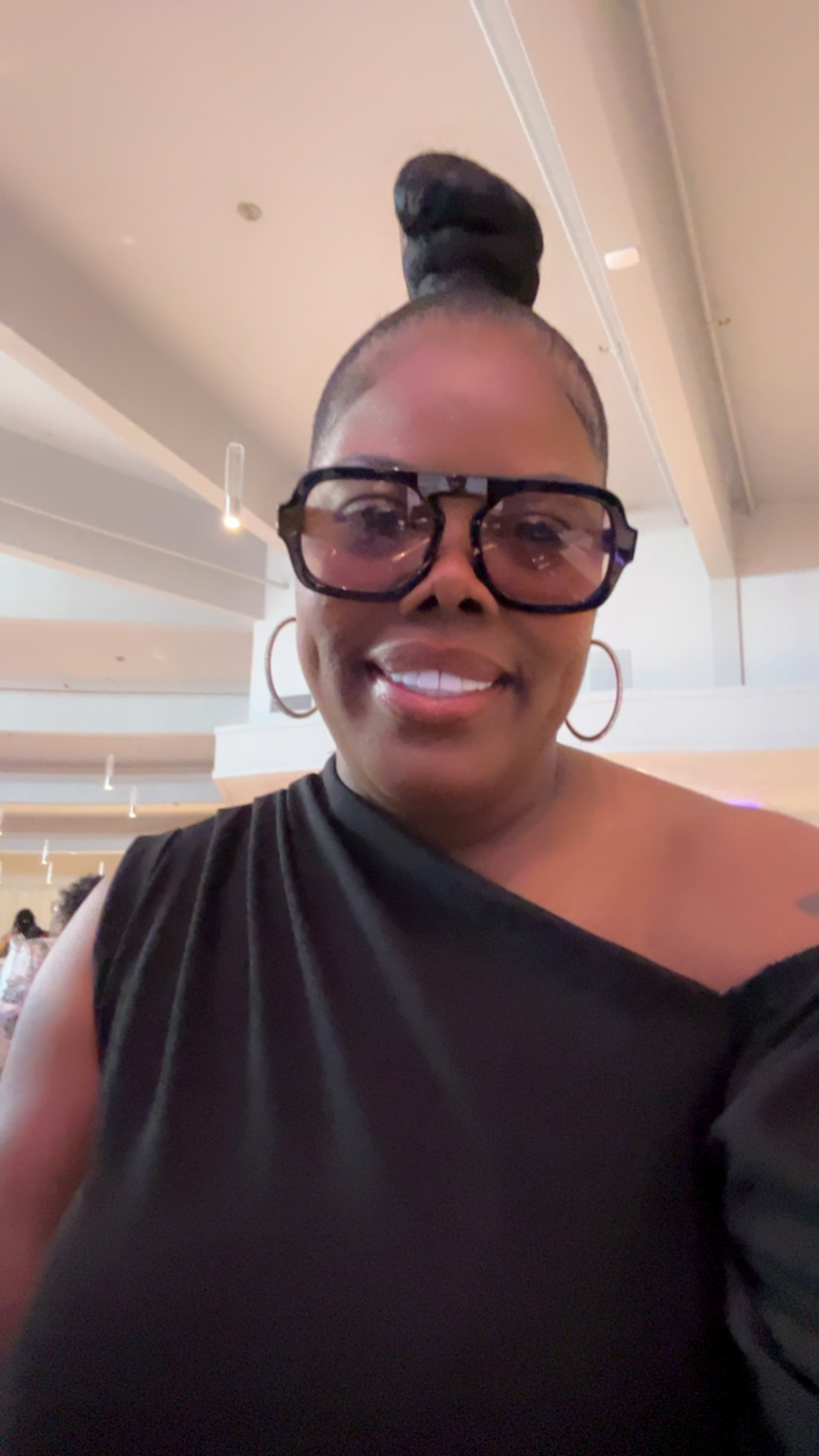
That extra hair in the shower, on your pillow, or wrapped around wash-day tools can feel alarming after having a baby. To support postpartum hair shedding, begin with clarity: this season is common, temporary for many women, and still deserving of thoughtful care - especially when your hair is textured, chemically processed, braided, or already prone to breakage.
Postpartum shedding is not a sign that you have failed your hair. Your body has moved through pregnancy, delivery, recovery, disrupted sleep, and significant hormonal change. The goal is not to chase an overnight fix. It is to protect your scalp, preserve the hair you have, and recognize when shedding needs a closer look.
Why postpartum shedding can feel so dramatic
During pregnancy, higher estrogen levels keep more hairs in their active growth phase. Many women notice fuller, denser hair as a result. After delivery, estrogen shifts, and the hairs that were held in that growth phase can move into a shedding phase at once. This is often called postpartum telogen effluvium.
Shedding commonly becomes more noticeable a few months after birth. It can peak around the time you are finally trying to find a rhythm with feeding, returning to work, or managing a new sleep schedule. By then, the connection to pregnancy may not feel obvious, which makes the amount of hair loss even more unsettling.
For women with textured hair, the experience can be especially difficult to judge. Shed strands may remain caught within curls, coils, twists, or braids until wash day, creating the appearance of a sudden, overwhelming amount of loss. At the same time, fragile strands can break during detangling, making shedding and breakage look like the same problem when they are not.
Support postpartum hair shedding with scalp-first care
A healthy scalp gives your follicles the best environment for recovery. That does not mean aggressively scrubbing, layering on oils, or trying every trending growth product. It means creating consistency around cleansing, moisture, and low-tension styling.
Keep your scalp clean on a schedule that fits your hair and lifestyle. Product buildup, sweat, dry shampoo residue, and heavy oils can make the scalp feel itchy or congested. A gentle but thorough cleanse helps you assess what is really happening at the root. If your scalp is tender, flaky, inflamed, or unusually sore, do not dismiss it as a normal part of postpartum life.
Be selective with oils and scalp serums. Some women enjoy them as part of a calming ritual, but oil alone does not correct hormone-related shedding. Heavy application can also make buildup harder to remove. Choose products based on your scalp condition, not simply because they promise rapid growth.
Most importantly, reduce tension. Tight ponytails, high buns, small braids, heavy extensions, and adhesive styles can place extra stress on vulnerable edges and follicles. A protective style should actually protect your hair. If it pulls, burns, creates bumps, or leaves you with a headache, it is not a restorative choice for this stage.
Separate shedding from breakage
A shed hair usually has a small white bulb at one end. Breakage tends to be shorter, uneven, and without that bulb. You may see both postpartum, particularly if your hair has experienced heat damage, color services, relaxers, or frequent manipulation.
This distinction matters because the response is different. Hormone-related shedding needs patience, scalp support, and time. Breakage calls for gentler handling, improved moisture balance, strategic strengthening treatments, and a styling plan that stops repeated stress on the same areas.
Protect your length while your density resets
You may not be able to stop every shed strand, but you can reduce the damage that turns normal shedding into visible thinning. This is where your day-to-day routine makes a real difference.
Detangle only when your hair has enough slip, working in sections from ends toward roots. Use a wide-tooth comb or a flexible detangling brush, and do not rush through knots because you are short on time. A few extra minutes of patient detangling can preserve far more hair than forceful brushing ever will.
Limit high heat, especially if your strands feel dry or your ends are snapping. A polished silk press or blowout can still be part of your routine, but it should be performed with intentional preparation, appropriate heat protection, and an honest assessment of your hair's current strength. Luxury hair care is not about pushing your hair to look perfect at any cost. It is about getting beautiful results without sacrificing long-term integrity.
Choose lower-tension styles between appointments. Loose twists, a soft headband, a low-tension bun, or a properly fitted wig can offer flexibility without constant pulling. If you wear braids or extensions, pay attention to the weight, installation tension, and how long they remain in place. The best choice depends on your scalp sensitivity, density, daily routine, and ability to maintain the style properly.
Nourishment and recovery matter, too
Hair growth is not separate from the rest of your recovery. Your body is prioritizing healing, and postpartum demands can make regular meals, hydration, and rest feel difficult. Still, under-fueling yourself can make an already stressful shedding phase harder to navigate.
Focus on consistent meals that include protein, iron-rich foods, healthy fats, and a variety of fruits and vegetables. If you are breastfeeding, following dietary restrictions, feeling persistently depleted, or considering supplements, speak with your medical provider. More is not always better with vitamins. Taking supplements without identifying a need can be ineffective and, in some cases, unsafe.
Sleep is rarely perfect with a new baby, so this is not a call for perfection. It is a reminder that stress, exhaustion, and recovery are part of the larger picture. Give yourself permission to simplify your hair routine during this season rather than treating every shedding day as an emergency.
When postpartum shedding needs professional attention
Typical postpartum shedding often improves gradually over time, but not every case should be assumed to be hormonal. A professional evaluation can help identify whether there are overlapping concerns such as scalp inflammation, traction alopecia, pattern hair loss, nutritional deficiencies, thyroid changes, or significant breakage.
Seek medical guidance promptly if you notice bald patches, scalp pain, scaling, redness, sudden recession at the hairline, or shedding that feels severe or continues well beyond the expected postpartum window. If you also have symptoms such as unusual fatigue, dizziness, heart palpitations, temperature sensitivity, or unexplained weight changes, speak with your healthcare provider. Hair can be one visible signal of what your body needs.
A detailed scalp and hair analysis can also be valuable when you are unsure whether your concern is shedding, breakage, thinning, or a combination. At BCSxHaircare, restoration begins with looking beyond the style itself. Your density, scalp condition, lifestyle, prior chemical history, and styling habits all help shape a plan that respects both your hair goals and your current stage of recovery.
Give your hair a gentler standard of progress
Postpartum hair recovery rarely follows a straight line. You may see short regrowth around the hairline before the rest of your hair feels fuller. You may have a good wash day followed by one that feels discouraging. Photos taken in consistent lighting every four to six weeks can offer a more honest view of progress than checking your hairline every morning.
This is a time to trade pressure for precision. Keep your scalp cared for, handle your strands gently, choose styles that do not compete with recovery, and ask for expert support when the pattern does not feel right. Your hair deserves more than a quick cosmetic cover-up. It deserves a restorative plan built around healthy growth, visible progress, and confidence that returns one careful step at a time.


Comments