

Can Stress Cause Hair Breakage? What to Know
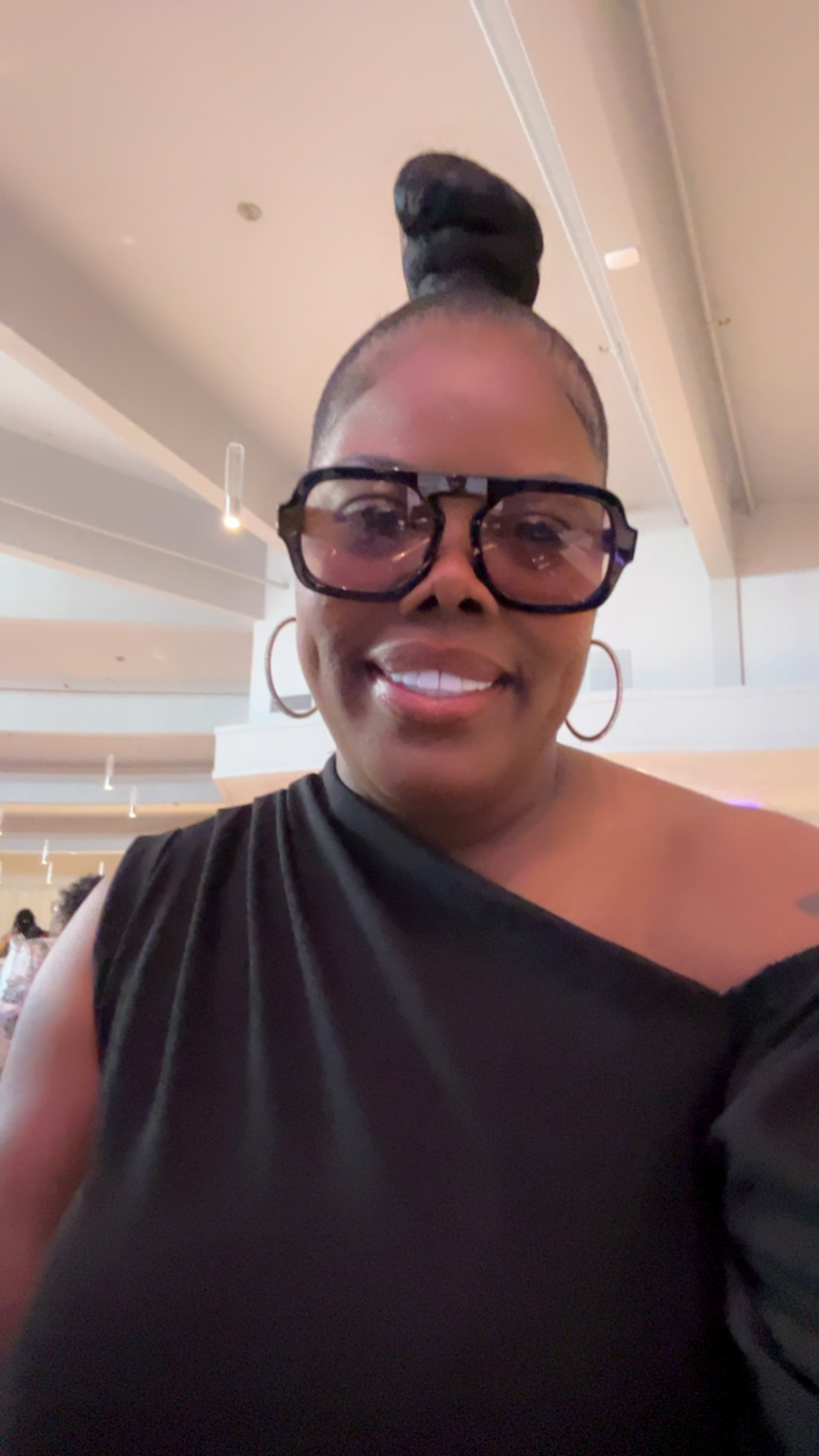
A demanding season can show up in more places than your calendar. If your strands suddenly feel weaker, your ends are snapping during detangling, or your ponytail is getting thinner, you may be asking: can stress cause hair breakage? It can contribute, but it is rarely the only explanation. For textured hair especially, the real answer often involves stress, scalp health, styling habits, and the condition of the hair shaft working together.
Hair breakage is frustrating because it can make healthy growth feel invisible. Your hair may still be growing from the scalp, but if it breaks at the ends or along the shaft at the same rate, length retention and fullness can stall. The goal is not to blame yourself for being stressed. It is to recognize the pattern, identify what your hair needs now, and build a restoration plan that protects your progress.
Can Stress Cause Hair Breakage Directly?
Stress does not usually snap a strand on its own. Hair fibers break when they are weakened by dryness, heat, chemical processing, friction, tension, overmanipulation, or damage to the cuticle. However, prolonged emotional or physical stress can create conditions that make breakage more likely.
During periods of high stress, many women sleep less, skip meals, change medications, wear low-maintenance styles longer than intended, delay wash days, or rely more heavily on heat and tight styling to get through the week. Those shifts can affect moisture balance, scalp comfort, and the way you handle your hair. Stress may also worsen scalp sensitivity or inflammation in people already prone to irritation, itching, flaking, or tenderness.
There is another distinction that matters: stress is commonly associated with increased shedding, not just breakage. Significant stress, illness, surgery, rapid weight changes, or hormonal changes can sometimes trigger telogen effluvium, a condition in which more hairs than usual move into the shedding phase. Those hairs release from the root with a small white bulb attached. Breakage, by contrast, happens along the hair shaft and leaves uneven lengths, split ends, and shorter pieces without that bulb.
Both can happen at once. That is why guessing based on what you see in the sink can lead to the wrong solution.
Stress-Related Hair Changes Can Look Different on Textured Hair
Textured hair has natural bends and coils that can make it more vulnerable to dryness and mechanical stress. The same curves that create beautiful volume and definition also create points where the fiber can lose moisture and become more fragile. When life is demanding, a routine that once worked may no longer provide enough protection.
You may notice increased snapping around the crown, fragile ends, more tangling, or thinning that is most visible near the temples and nape. Edges can be particularly vulnerable when stress is paired with tight ponytails, slick styles, braids that feel too heavy, adhesive products, or frequent tension from wigs and extensions.
It depends on the person. One client may see shedding several months after a stressful event, while another may experience breakage because her regular silk press schedule, at-home detangling, and low moisture levels have quietly compounded over time. The visible concern is real in both cases, but the treatment approach should not be identical.
Shedding versus breakage: what to look for
A quick look at the strands can provide useful clues. Shed hairs are typically full-length strands with a tiny club-shaped bulb at one end. Broken hairs are often shorter, varied in length, and may have frayed or split ends. If your hair feels noticeably thinner at the scalp, your part is widening, or you are losing clusters of hair, that deserves a more careful evaluation than an end-trim alone.
If you have sudden shedding, scalp pain, redness, scaling, patchy loss, or a noticeable change in density, speak with a dermatologist or qualified medical provider. A salon-based assessment can identify hair and scalp patterns, but medical causes such as nutritional deficiencies, thyroid concerns, hormonal shifts, and certain scalp conditions may need clinical evaluation.
The Hidden Factors That Turn Stress Into Breakage
Stress often exposes weak points in a hair routine. It can reduce the consistency that healthy textured hair needs: regular cleansing, conditioning, gentle detangling, protective styling, hydration, and timely trims. A single rushed wash day is not the problem. The issue is what happens when shortcuts become the routine.
Heat is a common example. Blow-drying and flat-ironing can be part of a healthy styling plan when performed with appropriate temperature control, heat protectant, and adequate spacing between services. But repeated high heat on hair that is already dehydrated or chemically compromised can weaken the protein structure over time. The hair may still look polished immediately after styling while becoming increasingly fragile underneath.
Tension is another concern. A style should not hurt, throb, cause bumps, or leave your scalp feeling pulled. Tension around the hairline can contribute to breakage and, over time, may contribute to traction-related hair loss. Do not wait until the style looks visibly loose to address discomfort. Pain is a signal, not the price of a polished look.
Nutrition and recovery matter too. Hair is not the body’s first priority during periods of illness, restrictive eating, disrupted sleep, or prolonged stress. While no single supplement can replace a balanced plan or diagnose a deficiency, consistent nourishment and medical guidance when needed support the conditions for healthier hair growth.
How to Protect Hair During a Stressful Season
Start by reducing unnecessary friction and manipulation. Choose styles that allow access to your scalp, do not create tension, and can be maintained without daily pulling, brushing, or reworking. A protective style is only protective when the installation, upkeep, and removal are all gentle.
Keep your wash routine consistent, even if you simplify it. Clean hair and scalp can better receive conditioning and treatment products, while buildup can leave the scalp uncomfortable and make detangling more difficult. Focus conditioner through the lengths and ends, then detangle patiently in sections with slip and minimal force. If you hear repeated snapping, pause. More force is not the answer.
Be selective with heat. If you enjoy silk presses or blowouts, protect the investment with a customized maintenance plan rather than trying to stretch the style beyond what your scalp and strands can comfortably handle. A professional can help determine whether your current heat frequency, technique, and home care are supporting retention or working against it.
It also helps to make your routine realistic. You do not need a twelve-step regimen to care for stressed hair. You need a plan you can repeat: cleanse on schedule, condition thoroughly, moisturize as needed, minimize tension, protect at night, and trim damaged ends before splits travel upward. Consistency creates better results than constantly switching products.
When Breakage Needs a Personalized Assessment
If your breakage continues despite gentler care, it is time to look beyond the surface. A customized scalp and hair assessment can help distinguish between dryness, heat damage, tension, chemical overprocessing, scalp imbalance, shedding, and patterns of thinning that need referral or deeper support.
At BCSxHaircare, restoration begins with understanding the full picture, not simply covering the concern with a style. The right plan may include scalp-focused care, targeted treatments, adjusted styling choices, trimming strategy, and an honest conversation about what your hair can handle right now. Luxury hair care should feel beautiful, but it should also protect the health and density you are working to restore.
You do not have to wait for a major setback to take breakage seriously. Give your hair the same patience you are learning to give yourself: less tension, more support, and care that is built for lasting strength.


Comments