

7 Best Pixie Styles for Thinning Hair That Work
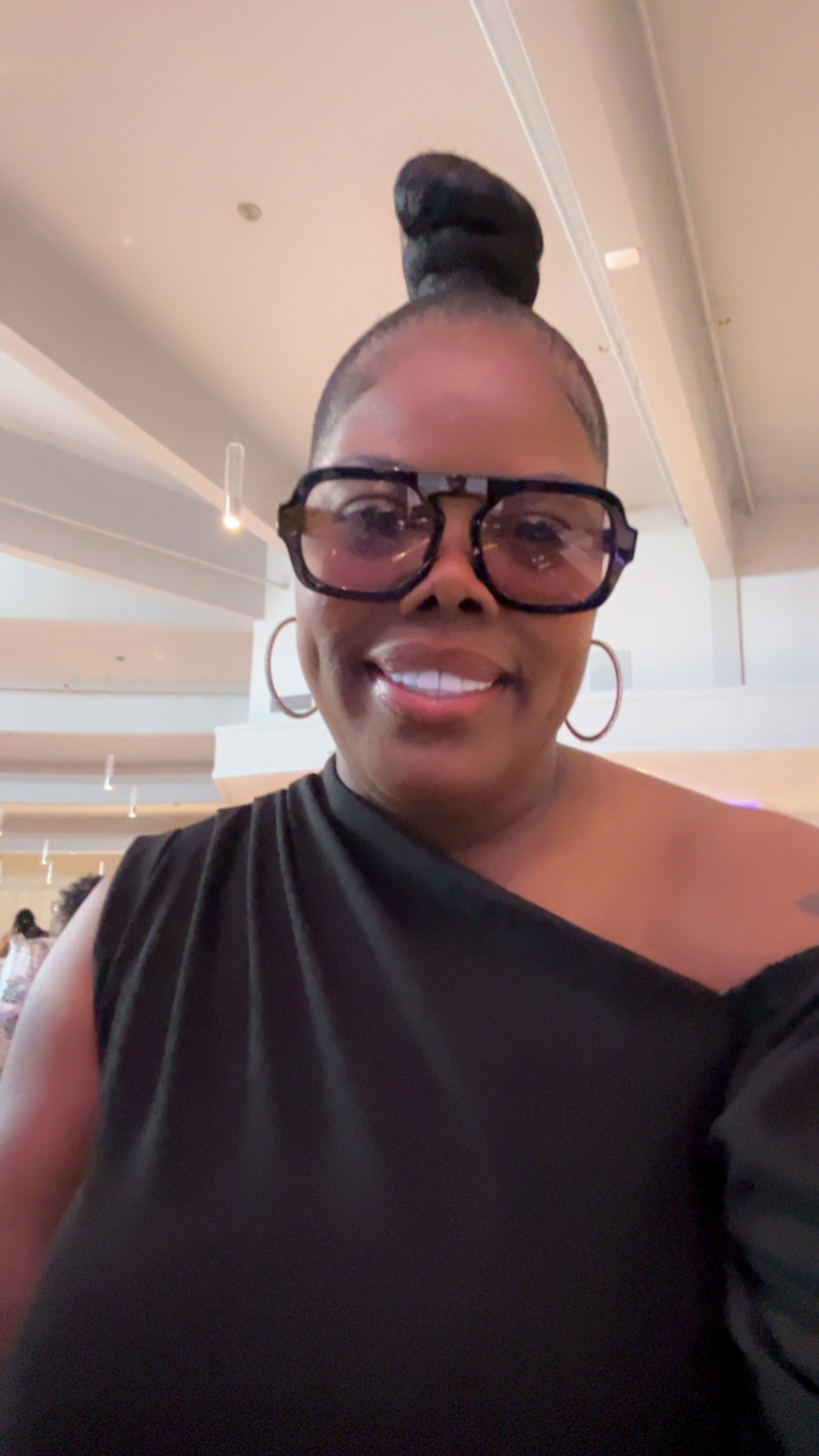
A pixie cut should not be used to hide thinning hair. The right cut should make your hair look intentional, fuller, and easier to care for while reducing stress on fragile areas. The best pixie styles thinning hair can support are customized around your actual density, scalp condition, curl pattern, and the location of thinning - not copied from a photo with completely different hair.
For women with textured hair, this distinction matters. A pixie can create beautiful shape and polished confidence, but aggressive cutting, excessive heat, heavy extensions, or tight styling can worsen breakage and expose vulnerable edges. Your style should complement a restoration plan, not compete with one.
What Makes a Pixie Work for Thinning Hair?
A strong pixie creates the appearance of density through proportion. It preserves enough length where the hair is strongest, uses controlled texture to prevent flatness, and keeps the silhouette soft around areas with less coverage. The goal is not maximum volume at every point. It is balanced volume that looks believable and feels lightweight.
The best approach depends on where your thinning is most visible. Diffuse thinning through the crown calls for a different shape than thinning at the temples, hairline, or nape. If your hair is breaking in one area, a short cut may help you release damaged length, but it will not correct the reason the breakage began. Scalp health, styling habits, nutrition, medications, stress, and traction can all be part of the picture.
Before choosing a pixie, look closely at the scalp. Tenderness, itching, persistent flakes, inflammation, sudden shedding, or shiny patches with little to no growth deserve professional attention. A beautiful style starts with an informed assessment.
7 Best Pixie Styles for Thinning Hair
1. Soft Tapered Pixie
A soft tapered pixie is one of the most adaptable choices for textured hair with overall thinning. The sides and nape are shaped close without being cut excessively tight, while the top retains enough length for curl definition, a molded finish, or light lift.
This shape keeps attention on the crown and upper face rather than on sparse ends. It is especially useful when the hair at the nape is weak or prone to breakage. The trade-off is maintenance: a tapered pixie needs regular shaping to keep its clean, elevated profile.
2. Side-Swept Pixie With a Deep Part
A deep side part creates directional volume. By sweeping the longer top section across the head, this pixie can soften the appearance of thinning near one temple or along a slightly uneven hairline. It also gives you styling flexibility without requiring a high level of heat.
This is not the best choice if both sides of the hairline are severely fragile and the sweep requires constant pulling or pinning. The part should sit where the hair naturally has support, not where it forces tension on compromised strands.
3. Curly Pixie With Crown Height
Natural curls, coils, and carefully set texture can make a pixie look fuller because the hair has built-in expansion. A curly pixie with more length at the crown offers a soft, modern silhouette and reduces the need for slicking the hair flat.
The key is hydration and definition without product buildup. Heavy creams, gels, and oils can weigh down fine strands at the root and make thinning more visible. A scalp-conscious routine and lightweight styling support are usually more effective than layering on more product.
4. Layered Pixie Bob
If a very short cut feels like too much, a layered pixie bob offers a graceful transition. It keeps a little more length through the top, fringe, and sides while removing the thin, uneven ends that can make hair appear less dense.
This style works well for women experiencing breakage around the perimeter but still have density through the upper sections. It can also be a smart first step for someone moving away from damaged length, relaxer overlap, or heat-compromised ends. The layers must be intentional. Too many short layers can make fine hair look wispy rather than full.
5. Pixie With a Wispy Fringe
A light fringe can bring softness to the front of the face and help distribute visual weight when the crown is fuller than the hairline. It is a refined choice for women who want coverage without wearing a heavy, blunt bang.
Keep the fringe airy and tailored to the density available. A thick, forced bang cut from already sparse front sections can create more exposure behind it. When thinning edges are a concern, the fringe should rest gently, never be pulled into place.
6. Sculpted Finger-Wave Pixie
A finger-wave pixie is polished, timeless, and particularly effective for short textured hair because the pattern directs the eye across the style. The close contour can look intentional and luxurious while allowing the stylist to work around areas of reduced density.
This option is best when the scalp tolerates molding products and the hair is not being repeatedly brushed or pressed into place at home. It needs thoughtful cleansing between services. Product buildup and infrequent washing can create scalp discomfort that undermines healthy growth.
7. Textured Pixie With a Soft, Full Top
For women with finer strands but reasonable crown density, a textured top can give a pixie movement and body. The sides remain neat, while the top is cut and styled to stand slightly away from the scalp. Think soft separation, not stiff spikes.
A skilled stylist will avoid thinning shears in hair that is already sparse. Removing too much internal weight can make the scalp more visible. Texture should come from precise cutting, curl formation, and strategic styling rather than over-processing the hair.
Protecting Edges and Fragile Areas After the Cut
A pixie can be freeing, but short hair still requires gentle handling. If your edges are thinning, avoid making a sharp lineup or a dramatic part the centerpiece of every appointment. A softer perimeter often looks more natural and gives fragile areas room to recover.
At home, resist the urge to brush, slick, or mold your hair daily. Even short hair can experience traction and breakage from repeated tension. Use a satin or silk scarf at night, cleanse the scalp consistently, and choose styling products that support hold without leaving the hair hard, coated, or dry.
Heat deserves the same level of intention. A silk press or thermal finish may be part of your desired look, but frequent high heat on fine or thinning hair can reduce curl integrity and contribute to breakage. The answer is not necessarily eliminating every heat service. It is choosing a frequency, temperature, and preparation routine that respects your hair's current condition.
A Pixie Is a Style Choice, Not a Scalp Diagnosis
Shorter hair can make changes in density easier to notice, which is valuable. If shedding continues, your part widens, your scalp feels irritated, or you see little progress after changing your routine, move beyond trial and error. A detailed scalp analysis can identify whether the concern appears related to buildup, inflammation, traction, breakage, or a pattern that warrants medical evaluation.
At BCSxHaircare, a textured pixie transformation is approached as both a beauty service and a hair wellness decision. The cut, finish, and home-care plan should reflect what your hair can safely support now, while helping you work toward stronger, healthier growth over time.
The most flattering pixie is not always the shortest or most dramatic one. It is the one that honors your density, protects your scalp, and lets you look in the mirror without negotiating with your confidence.


Comments